
Accidents, Wrongful Death, Sexual Abuse
Injury Lawyer & Arbitration Attorney
Injury Lawyer & Arbitration Attorney
Helping Clients in Raleigh and Throughout North Carolina

The time limit to file (statute of limitations) depends on the circumstances. For most adult sexual abuse victims, you have 3 years from the date of the assault to sue. For victims of childhood sexual abuse, you generally have until you turn 28 years old to file a lawsuit. There are some nuances. For instance, if you only discovered the psychological injury later or if the abuser was criminally convicted years afterward, the law may provide some additional time in certain cases. There is a two year window which opens up for a victim to bring a civil claim after a successful criminal prosecution for a sex crime regardless of the time from the incident itself. Because these rules can be complex, it’s a good idea to consult an attorney about the specific timeline in your case.
In some cases, yes. North Carolina law allows survivors of childhood sexual abuse to bring a civil lawsuit, but only if the statute of limitations has not expired. For most survivors, that means filing the lawsuit before turning 28. If you’re already over 28, you generally cannot sue unless you brought your case during the temporary revival window that ended in 2021. These limits can be complex, so it’s important to review the timeline with a lawyer.
A civil lawsuit can be brought against the person who committed the abuse, as long as the statute of limitations has not expired. In some cases, an institution such as a school, church, or employer may also be held liable, but only if it had a legal duty to protect the victim, failed to act on known or foreseeable risks, and the lawsuit is filed within the time allowed by law. For childhood abuse, the survivor generally must file before turning 28. For adult survivors, the time limit is usually three years. Even if someone or some entity was at fault, a claim cannot move forward if the legal deadline has passed. There are instances where suppressed memory may allow an adult survivor a longer time period for filing a claim.
In some cases, yes. If a school, church, or similar organization had a duty to protect you and failed to act on known or foreseeable risks, that institution may be held civilly liable for negligence. But the right to sue is limited by North Carolina’s statute of limitations. For abuse that occurred when you were a minor, you generally must file the lawsuit before your 28th birthday. If the abuse happened when you were an adult, the usual time limit is three years. Even if the institution was at fault, a civil case cannot proceed if it is filed too late.
Nearly any organization that had a responsibility to protect someone from abuse can potentially be sued if they breached that duty. Common examples include schools, churches, daycares, youth sports leagues, scouting organizations, residential treatment centers, camps, and even juvenile detention facilities. If an institution ignored red flags, retained a known abuser, or otherwise allowed the abuse to happen through negligence or cover-up, it can be held civilly liable in North Carolina.
Employers are not automatically liable for every bad act an employee commits, but they can be held liable under certain conditions. In North Carolina, an employer could be civilly liable if the sexual assault occurred in the course of the employee’s duties or if the employer’s negligence contributed to the assault. For example, if a company failed to vet an employee’s background, ignored complaints about that person, or didn’t enforce basic safety protocols, the employer might be sued for negligent hiring or supervision. Each situation is fact-specific. Generally, you’d need to show the employer knew or should have known of the risk and failed to take action.
The age of consent in North Carolina is 16 years old. However, there are important factors to consider. For example, a minor under 18 cannot legally consent to sexual acts with an adult who is in a position of authority over them (such as a teacher, coach, or caretaker). Additionally, even though 16- and 17-year-olds can consent to sex with peers or adults not in authority, they are still minors. If they are victimized (especially by someone much older or by force), the law and courts could view it through the lens of sexual abuse. In civil cases involving minors, purported “consent” might not be a valid defense due to the power imbalance and the legal protection of minors.
Yes, in some cases. North Carolina law allows a student to file a civil lawsuit against a teacher or school employee for sexual abuse, but only if the claim is brought within the statute of limitations. While the age of consent is 16 in North Carolina, students under 18 may still be able to sue if the sexual contact involved coercion, exploitation, or was otherwise unlawful. Civil liability depends on the specific facts, including whether the teacher used their position of authority to manipulate or pressure the student. A school or school district may also be liable if it knew or should have known of the risk and failed to act. Most childhood abuse claims must be filed before the survivor turns 28.
Yes. Being married or in an intimate relationship does not give someone the right to force sex or abuse you. North Carolina permits lawsuits against a spouse or domestic partner for sexual assault or rape just like any other perpetrator. In fact, marital status is not a defense. Forced sexual contact in a marriage is illegal (North Carolina law recognizes marital rape and assault). Civilly, you might be able to hold a spouse or ex-partner accountable for sexual violence through a lawsuit for assault, battery, or intentional infliction of emotional distress, among other claims. In short, consent is required every time, even within marriage, and lack of consent can form the basis of a lawsuit.
A survivor of sexual abuse may be able to seek compensatory damages for the losses stemming from the abuse. This includes tangible costs like medical bills for any physical injuries, therapy or counseling expenses for psychological harm, and lost wages or diminished earning capacity if the trauma affected one’s work. Importantly, victims can also recover for pain and suffering, emotional distress, and the mental anguish caused by the abuse. Those may constitute a significant portion of the damages in sexual assault lawsuits. In North Carolina, in addition to compensatory damages, courts may award punitive damages in egregious cases to punish the offender. Every case is different, but the goal is to financially compensate the victim for both economic and non-economic harms suffered.
Yes, punitive damages can be sought in North Carolina civil sexual assault cases. Punitive damages are meant to punish especially malicious or egregious conduct and deter future wrongdoing. Since sexual abuse is an intentional and reprehensible act, courts do allow punitive awards when the evidence shows the defendant acted with malice or willful and wanton disregard for the victim’s rights. Unfortunately, North Carolina law also imposes a cap on punitive damages in some cases. If subject to the “cap,” the punitive damages award cannot exceed either three times the compensatory damages or $250,000, whichever is greater. Despite the cap, punitive damages remain an important tool to hold abusers accountable beyond the victim’s actual losses.
Compensatory damages (like medical expenses and pain and suffering) are not capped in North Carolina for sexual abuse cases. The victim may be entitled to recover the full amount that a jury or judge finds will reasonably compensate for losses. However, punitive damages are capped by statute at the greater of $250,000 or three times the compensatory damages. North Carolina does not have a general cap on non-economic damages in personal injury cases (except in medical malpractice), so things like emotional distress are not artificially limited in sexual abuse lawsuits. If there is legal liability under the law, actual damages can be fully compensated, and punitive damages have an upper limit set by law.
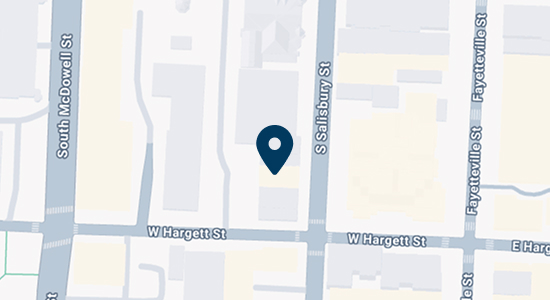
Raleigh, NC 27601

Call 919-915-0212 or use our online contact form to schedule a consultation.


