
Accidents, Wrongful Death, Sexual Abuse
Injury Lawyer & Arbitration Attorney
Injury Lawyer & Arbitration Attorney
Helping Clients in Raleigh and Throughout North Carolina

Possibly, yes. Courts understand the sensitive nature of these cases. It is not uncommon for survivors to proceed under a pseudonym, such as “Jane Doe” or “John Doe,” instead of using their real name publicly. North Carolina allows in appropriate circumstances civil cases where the victim’s name is not disclosed in public filings. To do this, your attorney would typically file a motion with the court asking permission for you to proceed anonymously, explaining the privacy concerns. The law tends to be sympathetic to such requests in sexual assault cases to avoid deterring victims from coming forward. If granted, the court will refer to you by initials or “Doe” in the documents, and your identity may be kept confidential in public records. (The defendant will still know who you are, of course, but the general public and media would not see your name in connection with the case.)
Generally, yes. Civil court lawsuits and legal filings are public record. That means anyone could go to the courthouse and look at the case file or sit in on the trial. However, there may be measures to protect your privacy. If you proceed under a pseudonym, the public file won’t have your name on it. Courts can also seal certain sensitive documents or close portions of a hearing if extremely delicate information is discussed (though complete closure of civil proceedings is rare). Additionally, North Carolina has an Address Confidentiality Program for victims of sexual assault and domestic violence, so you may be able to keep your home address private from public documents. In summary, civil cases are by default open to the public, but survivors have tools to limit exposure of your personal information.
Yes. If the victim is a minor, they lack legal capacity to file a lawsuit on their own, so a parent or legal guardian can file the suit on the child’s behalf. In North Carolina, the adult who represents the child in the lawsuit is often called a guardian ad litem or “GAL.” This adult acts in the child’s best interests in the legal process. For example, if a young child was molested, the parents could initiate a civil claim against the abuser (and perhaps any negligent institution) to seek damages for the child’s medical treatment, therapy, and pain and suffering. Any compensation recovered is typically safeguarded for the child (often the court will oversee how a minor’s settlement is managed to ensure it’s used for the child’s benefit). Importantly, even if no lawsuit is filed while the child is under 18, (subject to the NC Statute of Limitations law) the child may be eligible to file a lawsuit on their own once they reach adulthood (and remember, they have until age 28 in North Carolina to do so for childhood abuse).
Possibly, yes. The death of the abuser complicates matters, but you may be able to bring a claim against the abuser’s estate. In North Carolina, when someone dies, their estate (through an executor or administrator) can be sued for the wrongs that person committed, as long as the statute of limitations hasn’t expired. In practice, this means you would file a lawsuit naming the estate of the deceased person as the defendant. Any recovery would be limited to the assets of the estate (for example, insurance, property, etc.). It’s worth noting that if the abuser died some time ago, there might be additional procedural hurdles (such as shorter deadlines under estate law to file a claim). Also, if an institution or third party was also responsible, you would definitely want to include them as defendants, since they have ongoing existence and typically more resources. Bottom line, the abuser’s death does not automatically erase your civil claim, but the viability of the case will depend on available assets and timing and the NC statute of Limitations. It’s wise to consult a lawyer promptly in such situations.
This is a common concern. You may be able to win the case and get a judgment, but collecting from an individual with no assets or income can be challenging. If the abuser is personally penniless, a civil judgment might be difficult or impossible to enforce (you can’t get blood from a stone, as they say). However, this doesn’t mean you have no recourse. Often the good strategy is to identify any third parties or insurance coverage that can pay, obviously assuming there is in fact legal liability. North Carolina survivors of sexual abuse frequently sue not just the abuser but also any entity that enabled the abuse, because those entities usually have insurance or assets. Even if the abuser currently has no money, a judgment against them could be pursued in the future if their financial situation changes (judgments can be valid for many years and can accumulate interest). An abuser’s lack of funds is a practical problem, but an experienced attorney will look for other sources of recovery (like employers, institutions, or insurers) to investigate whether you have a chance at real compensation. Unfortunately, in many cases, there are no insurance policies available and the abuser has no personal assets. Usually these cases are not worth pursuing for the victim, as there is tremendous emotional investment with no real potential for a recovery. At the Nichols Law Firm, we holistically evaluate all cases and always do a cost benefit analysis to include the client’s emotional wellbeing.
Possibly. Under certain circumstances multiple victims can file a joint civil lawsuit if their claims involve sufficiently related facts and the same defendant(s). This often happens in cases of institutional abuse where several people were harmed by the same perpetrator or the same organizational negligence. For example, a group of former students who were abused by the same teacher or at the same school might band together in one lawsuit. In North Carolina, there have been large group actions, for instance, dozens of alumni collectively sued a university for decades of abuse by staff. Joining forces can be efficient and can also send a strong message. However, the court (the Judge) will consider whether the cases are similar enough to be tried together. If each victim’s circumstances are very different, the cases might proceed separately. Another approach if there are many victims is a class-action or multi-district litigation, but those are less common in abuse cases unless it’s a large-scale, systemic issue. If you know of other victims, it’s worth discussing with your lawyer whether a combined suit for sexual abuse in North Carolina is appropriate.
The compensation (damages) a victim might receive varies widely and depends on many factors. There is no “average” or guaranteed amount. Factors include the severity of the abuse, how it impacted you (physically, emotionally, financially), and the degree of negligence or egregiousness on the part of the defendant(s). If an institution is involved and clearly failed to protect you, that can increase the potential settlement or verdict. Some cases in North Carolina have resulted in multi-million dollar settlements or verdicts. On an individual level, damages can range from relatively modest sums for lesser harm, to very high amounts for lifelong trauma (including costs of long-term therapy, treatment for PTSD, lost career opportunities, etc.). Punitive damages, if awarded, can add to the total (subject to the cap on damages). Ultimately, the compensation is intended to make you “whole” for your losses and suffering, and punishing (by way of money damages, not jail or prison) wrongdoers when appropriate. A sexual abuse attorney may be able to give you a predicted range after evaluating your specific case. Every case truly is unique.
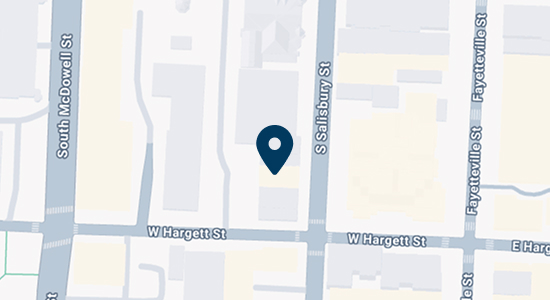
Raleigh, NC 27601

Call 919-915-0212 or use our online contact form to schedule a consultation.


